


Nature would grow food in a Raumgarten too!
Indoor farming makes an impact. We'll show you how.
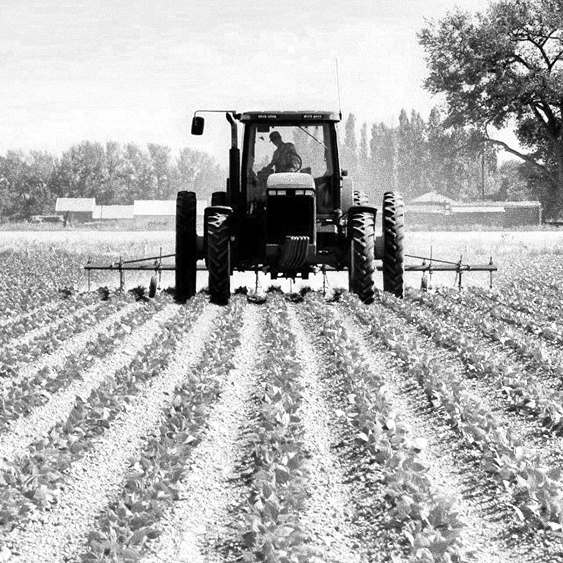
Overfertilization
Water consumption, or rather water pollution, in conventional agriculture is enormous, with exclusively negative effects on humans and the environment.

Efficient use of raw materials
Growing plants in the indoor garden only consumes the water that the plants need for growth and a minimal amount due to evaporation loss.
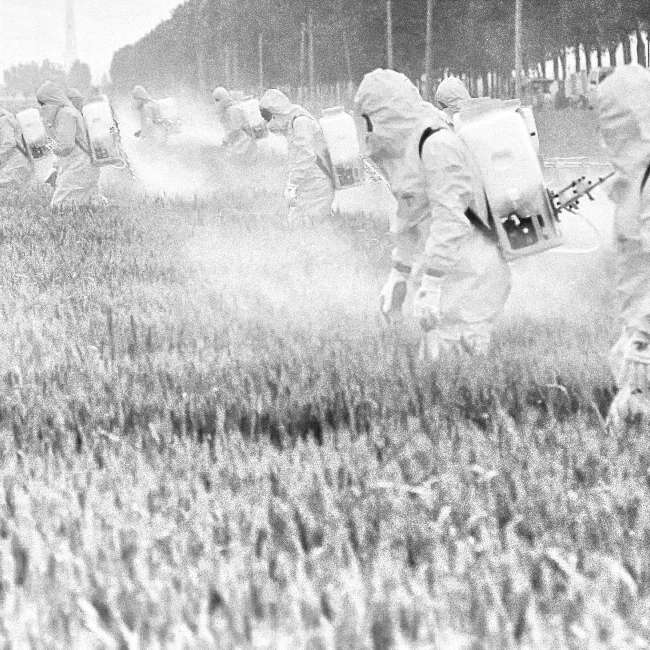
Pesticide Use
Pesticides are ubiquitous in conventional agriculture and are used en masse to control biological pests. However, controls are inadequate. Regular tests reveal alarming results:
a) Permitted limits are frequently exceeded.
b) Residues on food are alarmingly high.
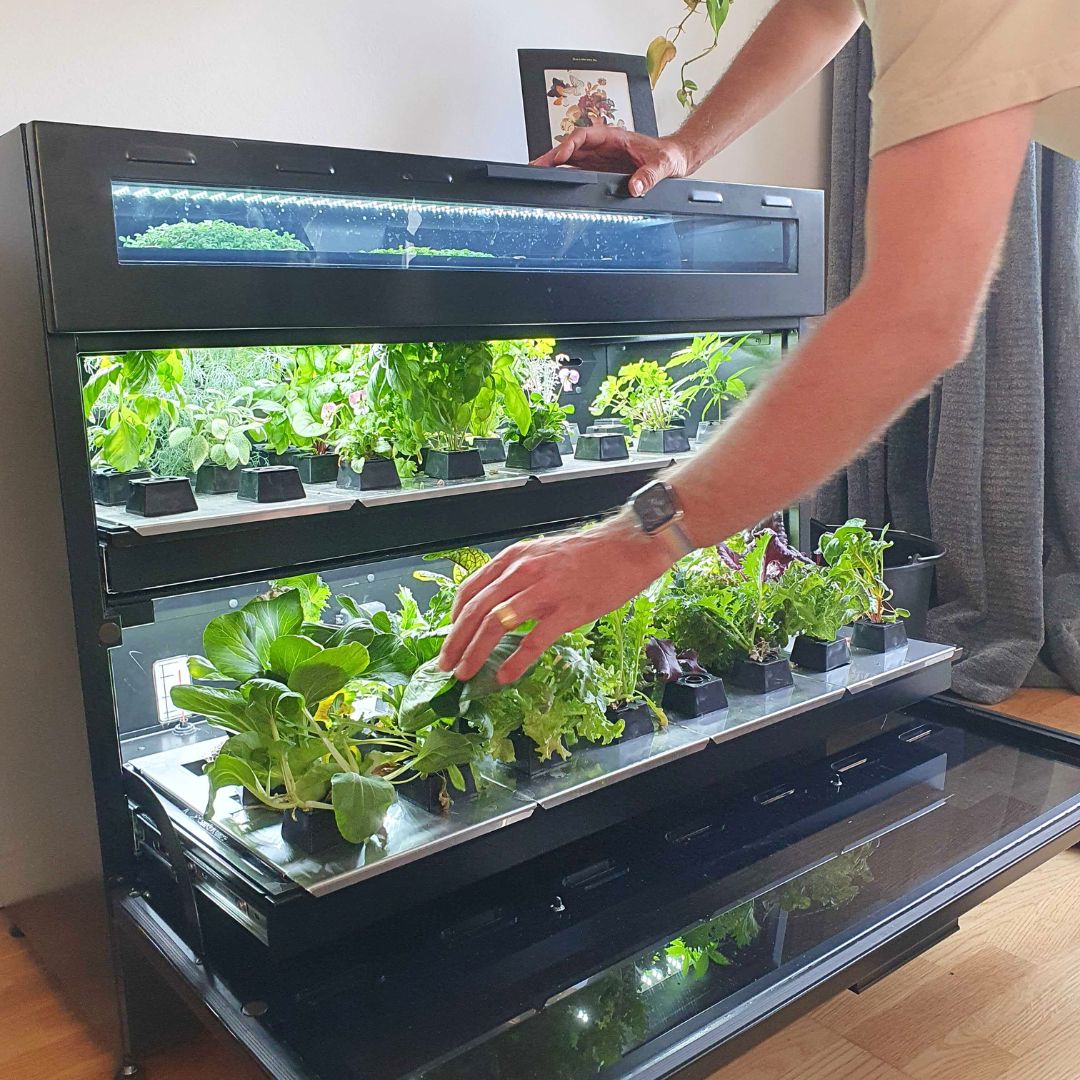
Chemical-free
When operated carefully, a space garden does not require special treatment against biological pests, bacteria, or fungi.
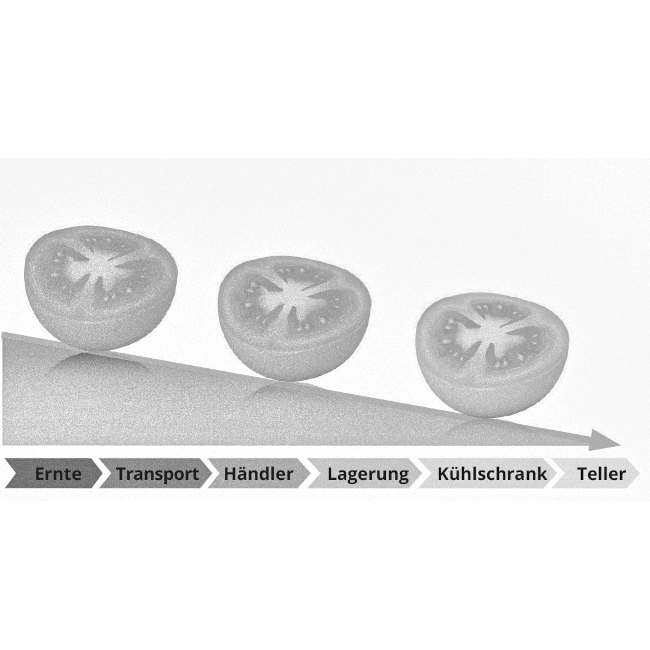
Reduced health
Through breeding for higher volume yields, unripe harvests, and the use of pesticides, plants are subjected to significant nutrient loss.
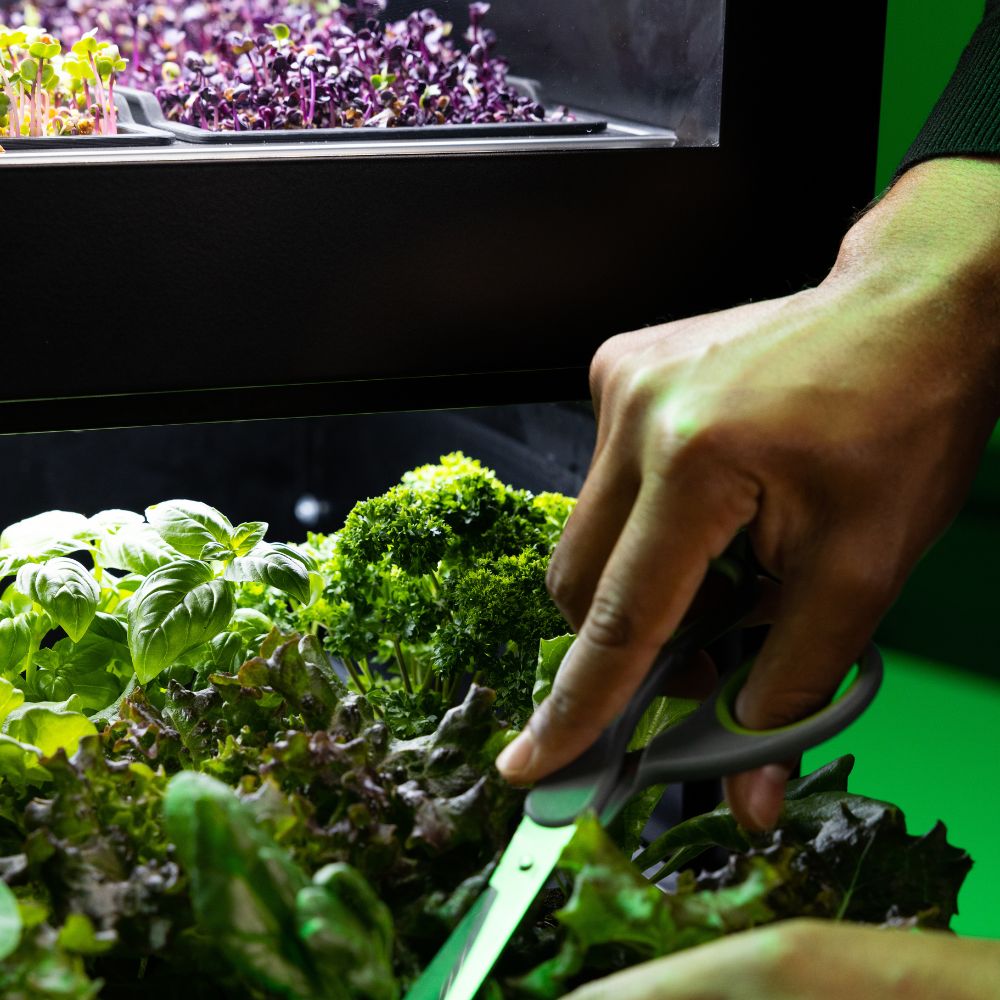
Maximum nutrients through optimal cultivation
By using state-of-the-art automation technologies and optimized cultivation methods, it is possible to produce plants with an exceptionally high nutrient content and unique freshness.

A typical vegetable like a head of lettuce, when grown in conventional intensive agriculture, emits up to 118 g CO2 primarily due to transportation
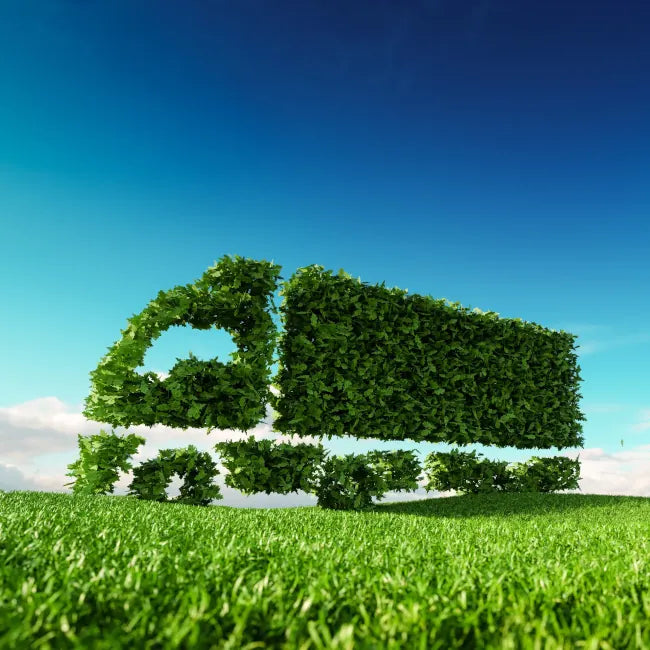
A typical vegetable, such as a head of lettuce, consumes only 42 g of CO2 when grown in a space garden.
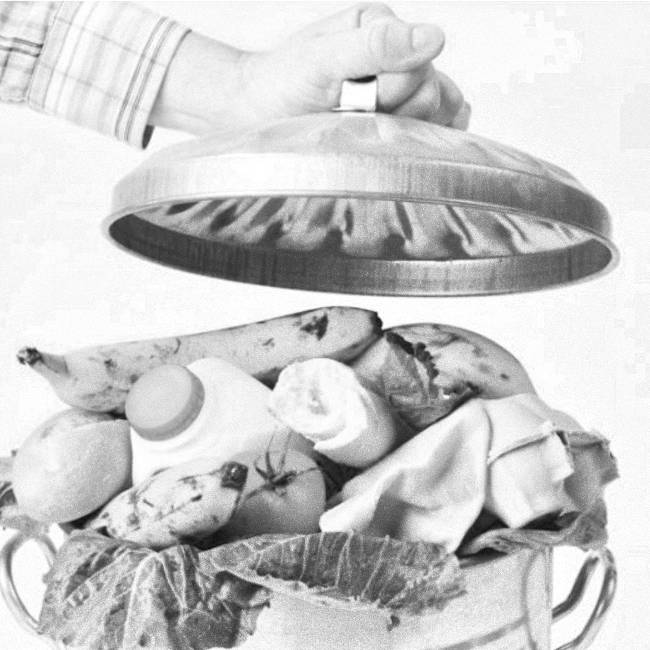
The traditional grocery retail sector, including supermarkets, discounters, and hypermarkets, disposes of approximately 290,000 tonnes of food waste annually.
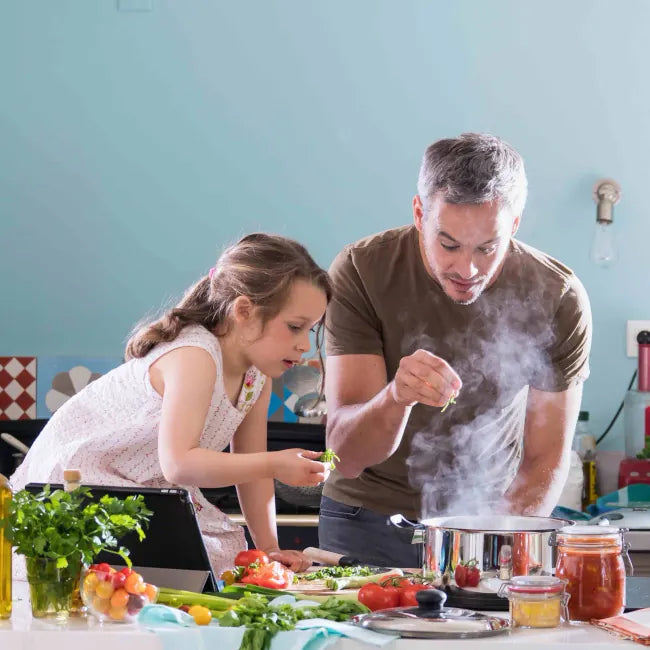
Get your self-sufficient garden for home and reduce your food waste to 0.