
Our series continues: 𝗪𝗵𝗲𝗿𝗲 𝗱𝗼𝗲𝘀 𝘁𝗵𝗲 𝗜𝗻𝗱𝗼𝗼𝗿 𝗚𝗮𝗿𝗱𝗲𝗻 𝗺𝗮𝗸𝗲 𝗮 𝗱𝗶𝗳𝗳𝗲𝗿𝗲𝗻𝗰𝗲?
Today, we're focusing on "nutrients."
Food we buy in supermarkets has already lost many important nutrients.
A main reason is the "dilution effect," which occurs when plants are bred for higher yields. This distributes nutrients over more plant material, and the 𝗰𝗼𝗻𝘁𝗲𝗻𝘁 𝗽𝗲𝗿 𝘂𝗻𝗶𝘁 𝗱𝗲𝗰𝗿𝗲𝗮𝘀𝗲𝘀. Genetic adaptations, intended to make plants more resilient, also often lead to nutrient deficiency.
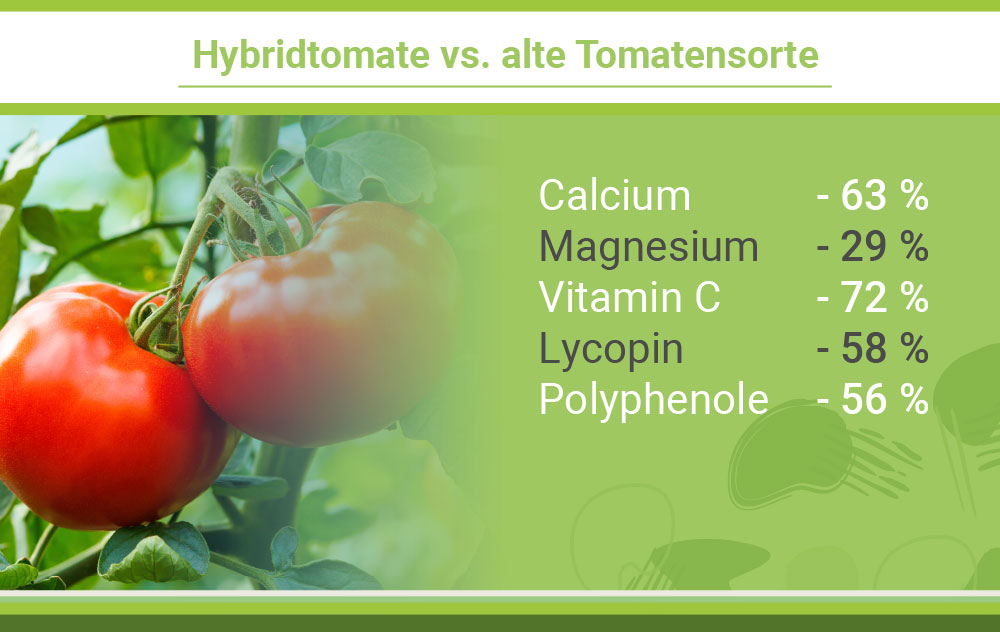
Modern cultivation methods further exacerbate the problem. The 𝘂𝘀𝗲 𝗼𝗳 𝗽𝗲𝘀𝘁𝗶𝗰𝗶𝗱𝗲𝘀 or the 𝗵𝗮𝗿𝘃𝗲𝘀𝘁𝗶𝗻𝗴 𝗼𝗳 𝘂𝗻𝗿𝗶𝗽𝗲 𝗳𝗿𝘂𝗶𝘁 can reduce the nutrient uptake of plants. Long transport and storage times also damage sensitive vitamins like A, C, D, and E. In extreme cases, these vitamins can 𝗯𝗲 𝗮𝗹𝗺𝗼𝘀𝘁 𝗰𝗼𝗺𝗽𝗹𝗲𝘁𝗲𝗹𝘆 𝗹𝗼𝘀𝘁. An example of this is the dramatic decrease in vitamin C content in tomatoes, which has 𝗱𝗿𝗼𝗽𝗽𝗲𝗱 𝗯𝘆 𝘂𝗽 𝘁𝗼 𝟳𝟮%. As shown in the following view, the content of all listed vitamins and nutrients in tomatoes has decreased.
Indoor gardens offer a solution here, as in our systems plants are grown under 𝗶𝗱𝗲𝗮𝗹 𝗰𝗼𝗻𝗱𝗶𝘁𝗶𝗼𝗻𝘀, with precisely controlled light, temperature, and humidity. This enormously increases nutrient density.
Since plants are 𝗴𝗿𝗼𝘄𝗻 𝘄𝗵𝗲𝗿𝗲 𝘄𝗲 𝗰𝗼𝗻𝘀𝘂𝗺𝗲 𝘁𝗵𝗲𝗺, there are no long transport routes, which also minimizes nutrient loss. Additionally, indoor gardens protect plants from environmental influences that could damage vitamins, ensuring fresher and more nutrient-rich food.
Research sources:


